
Everest Panorama Trekking - 7 Days
- 1 - 31000
Destination
Everest Solukhumbu Region
Adventure Type
Trekking Adventures
Difficulty Level
medium
Duration
7 Days
Trip Region
Everest Region
Highest Altitude
3440m
Group Size
1-20+
Season
Autumn & Spring
Everest Panorama Trekking - 7 Days
Overview
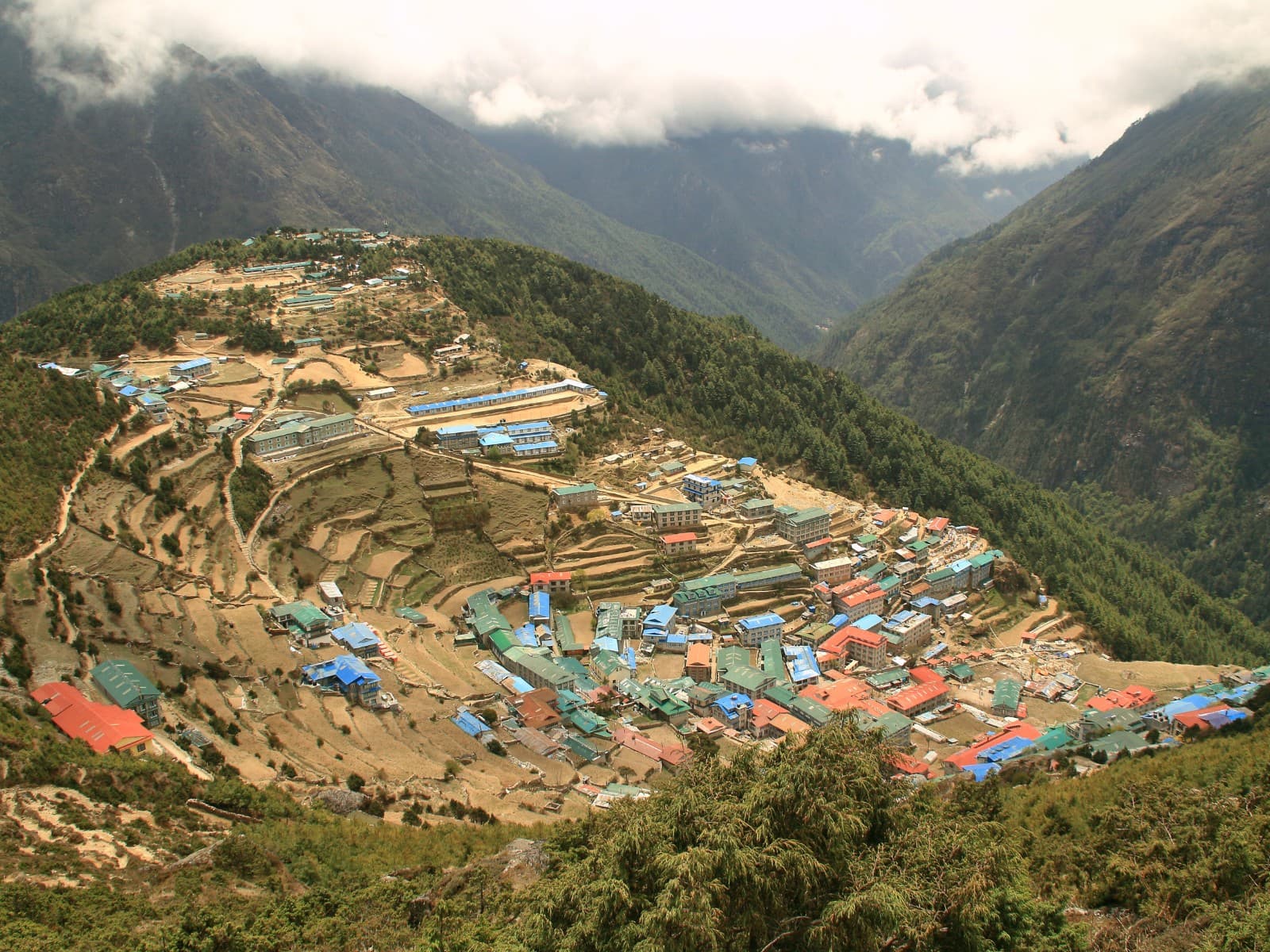
The Everest Panorama Trek is a short trek in the Himalayas that will give you breathtaking scenery and a cultural immersion. This 7-day trek shows highlights of the Sherpa capital, Namche Bazaar, and the famous Everest View Hotel. Trekkers enjoy easy altitude gains, colorful Sherpa villages, and panoramic views of Everest, Ama Dablam, and Lhotse.
The trek starts with a scenic flight to Lukla and a leisurely trek to Phakding. Trails are taken along the Dudh Koshi River with prayer flags on suspension bridges. Daily walks average between five and six hours and are a balance between challenging and comfortable. The route goes by pine forests, Buddhist chortens, and vibrant Sherpa settlements.
Namche Bazaar at 3,440m is the primary acclimatization stop, where the trekkers rest and explore. A hike to the Everest View Hotel at 3,880m offers sunrise and sunset panoramas of Everest and the other peaks. The altitude is moderate, but guides monitor people's health and encourage them to pace themselves so as not to get AMS.
The return journey follows the route via forest and rivers to Lukla before flying back to Kathmandu. Accommodation is in teahouses along the trail, and hotels in Kathmandu, full board meals include Nepali dal bhat and also international. Sherpa culture, monasteries, and warm hospitality add to the experience.
This trek is ideal for beginners or those who have limited time, and it gives you the beauty of the Himalayas without much altitude. Sunshine against snowcapped mountains, colourful prayer flags, and cultural encounters make the Everest Panorama Trek a memorable trek. Licensed guides, porters, and organized logistics for safety and comfort for the entire journey.
Trip Highlights
- This trek combines the cultural immersion and Himalayan scenery without extreme altitude, making it ideal for a beginner or limited time trek.
- Driving towards Ramechhap from Kathmandu, we fly to Lukla (2,860 m). Begining our trek from Lukla in a relaxing manner to Phakding (2,610 meters) passing through pine forests, suspension bridges, and riverside trails.
- Walking across suspension bridges over the Dudh Koshi River from Phakding to Namche Bazaar (3,440m)and passing lively Sherpa villages and seeing our first glimpse of Everest.
- Acclamizing on the Namche Bazaar, we make a hike to the Everest View Hotel (3,880 m). From here, panoramonic views of Everest, Lhotse and Ama Dablam are revealed as we acclimatize to the altitude.
- Returning from Namche Bazaar to Lukla (2,860m) descending through pine forests, Sherpa villages and suspension bridges. The day is a long one, but the experience is rewarding.
Flying back from Lukla to Ramechhap and driving to the capital city Kathmandu (1,400m). The comforts of the city are embraced after the adventure of the mountain.
Itinerary
Package Cost Details
Included In Package
-
Private airport transfers in a comfortable vehicle for smooth arrivals and departures
-
Accommodation in teahouses during the trek and hotels in Kathmandu (twin‑sharing basis)
-
Full board meals during the trek (breakfast, lunch, and dinner), with seasonal fruits after dinner
-
Experienced English‑speaking trekking guide providing professional and friendly support
-
Porter service included (one porter shared between two trekkers)
-
Salaries, equipment, and insurance coverage for guides and porters
-
Emergency rescue coordination services (rescue costs to be covered by trekker’s travel insurance)
-
A basic first‑aid kit is carried by the guide for safety
-
Trek completion certificate to commemorate your achievement
-
Required permits: Sagarmatha National Park Permit and Khumbu Pasang Lhamu Rural Municipality Entry Permit
-
Printed trekking route map to help navigate the trek
-
All applicable government taxes and official charges
Excluded In Package
-
Travel insurance (recommended to cover high‑altitude trekking and emergency rescues)
-
Personal expenses during the trek, including hot showers, device charging, and Wi‑Fi
-
Beverages of any kind: tea, coffee, mineral water, soft drinks, alcoholic drinks, etc.
-
Personal trekking gear and equipment (boots, jackets, poles, sleeping bags, etc.)
-
Tips for guides and porters
-
Expenses due to unforeseen circumstances such as natural disasters, extreme weather, political unrest, or flight delays (especially Lukla flights)
-
Kathmandu hotel and food expenses before/after trek (outside the package)
-
Sightseeing or cultural tours in Kathmandu not included in the trekking package
Trip Info
Everest Panorama Trek Itinerary Overview
The trek starts from Kathmandu with arrival, orientation, and preparation in advance for the scenic drive to Ramechhap. A short flight and the trekkers will reach Lukla at an altitude of 2,860 m, the gateway to the Everest region. The initial walk to Phakding is along the Dudh Koshi River and crosses suspension bridges adorned with prayer flags, along with pine forests and Sherpa villages. Daily trekking is on average five to six hours, with easy ascents and descents that are challenging yet not too demanding.
From Phakding, the trail goes steadily up to Namche Bazaar at 3,440m, the busy Sherpa capital. The route passes through Monjo & passes through the Sagarmatha National Park Checkpost, with views of Thamserku and Kusum Kanguru. Namche has cultural immersion with monasteries, markets, and traditional Sherpa homes. A sunrise and sunset hike to Everest View Hotel at an altitude of 3,880m for panoramic views of Everest, Ama Dablam, and Lhotse. The altitude isn't very high, but some guides will keep a check on the health of the trekkers and encourage them to pace themselves so they do not suffer from AMS.
The trip back follows the trail through alpine forests, rivers, and suspension bridges back to Lukla. Trekkers breathe easier with more oxygen, and energy improves with lower altitude. Sherpa culture is still in full colour along the way, with mani walls, chortens, and prayer wheels marking the trail. Meals consist of Nepali dal bhat, Tibetan thukpa, and international offerings, both in terms of cultural immersion and food.
The trek is completed by a flight from Lukla to Ramechhap and a drive back to Kathmandu. This short but rewarding journey has Himalayan scenery, cultural exploration, and easy altitude gains. Sunshine over snow peaks, colourful prayer flags,s and Sherpa hospitality make the Everest Panorama Trek a memorable adventure for those who are new to hiking and those who have limited time to spend on this adventure.
Everest Panorama Trekking distance and altitude coverage
|
Day |
Route |
Distance |
Duration |
Altitude Gain/Loss |
|
1 |
Arrival in Kathmandu, transfer to the hotel |
– |
– |
– |
|
2 |
Drive Kathmandu → Ramechhap, flight to Lukla (2,860 m), trek to Phakding |
~8 km |
3–4 hrs |
–250 m |
|
3 |
Trek Phakding → Namche Bazaar |
~10–11 km |
6–7 hrs |
+830 m |
|
4 |
Acclimatization in Namche, hike to Everest View Hotel (3,880 m) and return |
~3–4 km |
3–4 hrs |
+440 m / –440 m |
|
5 |
Trek Namche Bazaar → Lukla |
~18 km |
7–8 hrs |
–580 m |
|
6 |
Flight Lukla → Ramechhap, drive to Kathmandu |
– |
– |
–1,460 m |
|
7 |
Departure day from Kathmandu or optional onward activities |
– |
– |
– |
This itinerary features moderate altitude gains, an acclimatization hike at the Everest View Hotel, and easy daily hiking distances. The highlights make the Everest Panorama Trek ideal for people who are beginners or have limited time.
What are the Permits and Expenses Needed for the Everest Panorama Trek
Sagarmatha National Park Entry Permit
To trek in the Everest region, every traveler must get a Sagarmatha National Park entry permit. This fee is used for the conservation of forests, wildlife, and trail infrastructure in the whole Khumbu region.
-
Foreigners: NPR 3,000 per person (USD 23)
-
SAARC nationals: NPR 1,500 per person
-
Children under 10: Free
TIMS Card (Trekkers’ Information Management System)
The TIMS card allows the trekkers to be registered officially and helps with safety monitoring and rescue operations, if needed. Issued by the Nepal Tourism Board in Kathmandu, it is still required for the Everest Panorama Trek.
-
Foreigners: NPR 2,000 per person (USD 15)
-
SAARC nationals: NPR 600 per person
Local Municipality Fees
Khumbu Pasang Lhamu Rural Municipality charges a fee to local people for supporting community development, infrastructure, and trail maintenance. This is collected at entry checkpoints along the trek.
-
Foreigners: NPR 2,000 per person (USD 15)
-
SAARC nationals: Same rate as foreigners
These permits and fees are essential to the 7-day Everest Panorama Trek, working to maintain the tourism, conserve the natural resources, and directly give back to Sherpa communities along the trail.
Trip Cost of the Everest Panorama Trek package 2026/2027
|
Group Size |
Price Per Person (USD) |
|
10 persons | |
|
10 – 20 persons | |
|
21+ persons | |
|
Single Supplement |
Note
Prices are calculated on a per‑person basis.
For a group of 10 trekkers, the cost is fixed on a per‑capita rate.
For larger groups of 21 or more people, a discounted rate applies per person.
An additional surcharge is applicable for private accommodation
Best Time to Trek the Everest Panorama
The trek is best in Spring (March-May) and Autumn (September-November) when the skies are clear, temperatures are moderate, and mountain views are at their best. Summer monsoon (June-August) - brings heavy rain and slippery trails. Winter (December-February) is cold, but it is manageable as the trek is not at extreme heights
Spring (March to May) | Ideal for Trekking
Spring brings crisp mornings and blooming rhododendrons, and usually mild temperatures. March might still bring some light snow at higher points, too. April and May bring you warmer days, and the trails are quite stable, with an excellent view of Everest, Ama Dablam, and Lhotse.
|
Month |
Day Temp (°C) |
Night Temp (°C) |
Precipitation |
Weather |
Snowfall |
|
March |
8 to 12 |
0 to -5 |
50–60 mm |
Cold mornings, warming days |
Light at higher ridges |
|
April |
10 to 15 |
2 to -4 |
70–80 mm |
Mild rhododendrons are blooming |
Rare |
|
May |
12 to 18 |
4 to -2 |
90–100 mm |
Warm, clear skies, stable trails |
Minimal |
Autumn (September to November) | Best Season
Autumn is known to be the most popular season for the Everest Panorama Trek. There are occasional rains during September and clear skies, crisp air, and stable weather in October, and cold nights with unmatched views of the Himalayan peaks in November.
|
Month |
Day Temp (°C) |
Night Temp (°C) |
Precipitation |
Weather |
Snowfall |
|
September |
10 to 15 |
2 to -5 |
120–150 mm |
Clear skies, occasional showers |
Light at higher viewpoints |
|
October |
8 to 14 |
0 to -6 |
70–80 mm |
Stable, crisp skies, clear views |
Rare |
|
November |
5 to 10 |
-2 to -8 |
40–50 mm |
Cold nights, excellent visibility |
Begins at higher ridges |
Summary
The best time of the Everest Panorama Trek is Spring and Autumn when the weather is stable, and the views are spectacular. Summer monsoon (June-August) brings heavy rain, slippery trails, and leeches, whereas winter (December-February) is cold but manageable as the highest point of the trek (Everest View Hotel, 3,880m) is still accessible.
Packing List for the Everest Panorama Trek
General Essentials
-
Three-season sleeping bag (suitable for 0°C to -5°C nights)
-
Lightweight down jacket
-
Daypack 30–40L with rain cover
-
Trekking poles
-
Water purification tablets/filter
-
Headlamp with spare batteries
Upper Body
-
Sun hat or cap
-
Warm beanie/knitted hat
-
UV-protected sunglasses
-
Buff/neck gaiter
Torso Layers
-
Technical base layers
-
2 short-sleeve trek shirts
-
2 long-sleeve trek shirts
-
Fleece jacket/pullover
-
Waterproof shell jacket (windproof recommended for Namche and Everest View Hotel)
Lower Body
-
Thermal leggings/base layer
-
2 hiking pants
-
Hiking shorts (for lower altitude days)
-
Comfortable teahouse pants
-
Rain/snow shell pants (optional, depending on season)
Hands
-
Liner gloves
-
Insulated gloves (lighter than Annapurna, but useful for mornings/evenings)
Feet
-
Warm wool socks
-
Hiking socks and liners
-
Waterproof trekking boots
-
Casual shoes/slippers for teahouses
Undergarments & Sleepwear
-
Quick-dry underwear
-
Sports bras (for women)
-
Thermal sleepwear (important for Namche nights)
Medicals & Personal Care
-
First aid kit, altitude medication, pain relievers
-
Oral rehydration salts
-
Sunscreen SPF 50+, lip balm SPF
-
Menstrual products (for women)
-
Hand sanitizer, wet wipes, toiletries
Electronics
-
Power bank (10,000–20,000 mAh)
-
Camera/smartphone with extra memory cards
-
Adapter plug (Nepal uses Type C/D plugs)
Miscellaneous
-
Trekking duffel bag
-
Lightweight towel
-
Notebook and pen
-
Snacks: energy bars, nuts, chocolates
-
Reusable water bottle/hydration bladder
-
Small lock
-
Lightweight book/Kindle
Equipment and Extras Provided by the company
-
Down jacket (loaned for trek)
-
Three-season sleeping bag (loaned for trek, suitable for Namche nights)
-
Trekking duffel bag (70L, for porter use)
-
Everest Panorama trekking route map
-
Trekking T-shirt (souvenir)
-
Appreciation certificate after trek completion
-
First aid kit with oximeter for altitude monitoring
-
Basic medical support during the trek
Can You Trek the Everest Panorama Solo?
The Everest Panorama View Trek can be taken with or without a guide, but taking a licensed guide is highly recommended for safety, cultural information, and logistical ease.
Unlike high altitude expeditions, this trek only hits 3,880 m at the Everest View hotel, where the risk of altitude sickness will be lower but still possible. Guided treks provide for acclimatization as well as Navigation of Sherpa villages and enrichment by local culture. Traveling along with organized teams also allows for support in the event of emergencies and makes the journey more enjoyable and stress-free.
What are the Meals and Accommodation Like in the Everest Panorama Trek?
Meals and accommodation on the Everest Panorama Trek are aimed at having a balance between comfort and authenticity of the Himalayan treks.
In Kathmandu:
-
Trekkers typically stay in 3‑star hotels with twin or double‑occupancy rooms.
-
Breakfast is included before departure to the trek and upon return.
Along the Trek:
-
Accommodation is in standard Sherpa teahouses. Rooms are simple, with twin‑sharing beds and basic bedding.
-
At lower altitudes (Phakding, Namche), some lodges may offer attached bathrooms and slightly better facilities.
-
At Lukla and Namche Bazaar, trekkers can find teahouses with more amenities, while facilities remain basic in smaller villages.
Atmosphere:
-
Teahouses provide warmth, coziness, and Sherpa hospitality.
-
Evenings are communal, with trekkers gathering around wood stoves to share meals, stories, and the mountain atmosphere.
Meals
-
Full board meals are provided throughout the trek: breakfast, lunch, and dinner daily.
-
Traditional Nepali dishes like dal bhat (rice, lentils, vegetables) are supplemented by Sherpa and Tibetan‑inspired meals such as noodles, soups, pasta, momos, thukpa, eggs, and Tibetan bread.
-
Tea and coffee are served three times daily, and fresh seasonal fruit is offered after dinner to keep trekkers energized.
-
At higher altitudes (Namche and Everest View Hotel area), meals are simpler but hearty, designed to provide warmth and calories for trekking days.
Notes
-
Meals include both Nepali and Sherpa/Tibetan dishes, with occasional international options in Namche Bazaar.
-
Fresh fruit is served after dinner along the trail.
-
Tea and coffee are provided three times daily.
-
Accommodation is on a twin/double sharing basis, with attached bathrooms available in lower villages, and shared bathrooms at higher altitudes.
Visa and Entry Requirements for the Everest Panorama and Everest View Trek
Nepal Entry Visa
All foreign travellers must have a Nepal entry visa to participate in the Everest Panorama Trek. You can get the visa at the first entry portal, Tribhuvan International Airport, in Kathmandu or in advance from Nepali embassies abroad. A working passport for at least six months and a recent passport-sized photo are prerequisites to process a visa.
-
15-day multiple-entry visa: USD 30
-
30-day multiple-entry visa: USD 50
-
90-day multiple-entry visa: USD 125
Payments are usually made in cash, preferably in US dollars.
Trekking Permits
In addition to the entry visa, trekkers must obtain permits specific to the Everest region:
-
Sagarmatha National Park Entry Permit: Supports conservation of forests, wildlife, and trail infrastructure in the Khumbu region.
-
TIMS Card (Trekkers’ Information Management System): Registers trekkers officially, ensuring safety monitoring and rescue support when needed.
Local Municipality Fees
The Khumbu Pasang Lhamu Rural Municipality charges a local fee at the checkpoints on the trek. The fee is used for community development, infrastructure, and trail maintenance.
Provided by Trekking Company
The trekking company organizes all necessary permits and includes them in the package price. This is necessary so that you comply with Nepal's laws and have a hassle-free experience during the Everest Panorama adventure.
Travel Insurance Requirements and Emergency Rescue Coverage for Everest Panorama trek
Travel insurance is highly recommended on the Everest Panorama Trek, despite the highest point being the Everest View Hotel, at 3,880 meters. The altitude sickness risk is less than at higher passes, but the trekkers can still get headaches or dizziness, or fatigue due to the thinner air. A good policy helps you to stay safe, and it also fulfills the trekking rules of Nepal.
The insurance should cover emergency helicopter evacuation from Lukla or Namche Bazaar, treatments in Kathmandu hospitals, and repatriation to your home country. It should also cover you in case of trip cancellation, delays, and interruptions, because flights to and from Lukla frequently get affected by the unpredictable mountain weather.
Rescue operations in the Everest region are usually organized from Namche or Lukla, and helicopters are used for serious cases. Guides assist in organizing the rescue,e but costs are borne through your insurance provider. Medical kits carried by guides such as oximeters, are used to monitor oxygen levels and to detect the early signs of altitude sickness so that medical decisions can be made.
A proper travel insurance policy is thus crucial to have peace of mind, both in case of medical emergencies and to tackle logistical issues while undertaking the Everest Panorama Trek.
Guide and Porter Services, Staffing, and Baggage Allowance for Everest Panorama Trek
The trek is guided by licensed, English-speaking guides that specialize in altitude management and trail navigation, as well as Sherpa culture. They make sure that you are safe and enhance the journey with the local traditions, monasteries, and everyday life in the Khumbu region.
For groups larger than 12, there is an assistant guide to ensure balanced supervision and support is given. Porters carry 12-15 kg per trekker; there is 1 porter per 2 trekkers, which ensures a light daypack for participants. All staff are fully insured, properly equipped,d and provided with food, accommodation, and transport during the trek. The salaries and expenses of guides and porters are included in the package cost.
Guides and porters ensure safety, handle logistics and cultural immersion, which is why the Everest Panorama Trek is both secure and meaningful, and would let the trekkers focus on enjoying the views of Everest, Ama Dablam, and the vibrant Sherpa villages.
Altitude Sickness and Prevention for the Everest Panorama Trek
Prevention begins with slow acclimatization and sufficient hydration. An acclimatization hike is scheduled in Namche Bazaar to acclimate our body with altitudes. Trekkers should not drink or smoke, should walk at a steady pace, and should eat a proper meal every day. These habits maintain energy levels and limit risks of altitude sickness, despite the highest point reached on the trek being 3880m.
Guides carry medical kits with oximeters to monitor the oxygen saturation and to identify the early symptoms related to the versatile climate. If illness becomes evident, then the safest option is to descend immediately to villages further down, such as Phakding or Lukla. Evacuation procedures are organized promptly to avoid complications, so trekker safety is ensured.
The trekking company coordinates emergency rescue operations with helicopters from Lukla or Kathmandu when the need arises. Patients are sent to hospitals in Kathmandu to get cured and recover. A team of guides takes care of the process, ensuring timely medical support and communication with insurance providers.
With correct acclimatization, professional guidance, and awareness of altitude dangers, trekkers can successfully undertake the Everest Panorama Trek with guaranteed safety, a rewarding and memorable trip to the Himalayas, enriched with Sherpa culture and spectacular mountain views.
Personal Expenses and On-Trek Incidentals to Budget For on the Everest Panorama Trek
Trekkers are advised to budget for personal costs not covered by the 7-day package. These typically include snacks, bottled water, and additional tea or coffee bought along the trail. Namche Bazaar has bakeries and cafes where trekkers often spend on cakes, hot chocolate, or international meals.
Wi-fi, hot showers,s and battery charging in teahouses are also charged separately, and prices are higher in higher villages like Namche and the Everest View Hotel. Alcohol, soft drinks, and phone calls are personal expenses. Souvenir shopping for handicrafts or Sherpa art in Namche requires extra cash.
Tips for guides and porters are customary and should be budgeted for in advance. Carry small denominations of Nepalese Rupees, as the ATMs at Lukla and Namche may not be reliable all the time. Proper budgeting of these incidentals will make the trek a smooth ride without any financial stress and allow trekkers to enjoy the Everest Panorama experience to the fullest.
Extra Activities and Customized Services Available for Everest Panorama
Trekkers may add optional activities such as private sightseeing tours in Kathmandu, cultural walks in Khumjung or Kunde, or monastery visits in Namche Bazaar. These experiences will increase immersion in Sherpa traditions and will take exploration off the main trail.
Customized services, such as enhanced hotels in Kathmandu, private transport to Ramechhap, or extra porters for hefty baggage, may be organized on request. These options add comfort and convenience throughout the journey.
Helicopter sightseeing flights over the Everest region can be taken at an additional price. They offer panoramic views of Everest, Ama Dablam, Lhotse, and surrounding peaks, and are a unique way of experiencing the Himalayas without having to trek for longer.
These activities and services are not included in the standard 7-day package but can be adapted for groups or individuals. They bring comfort, cultural immersion, and highlights that will be remembered for the rest of your life to the Everest Panorama adventure.
Why Trek the Everest Panorama with Us?
Trekking the Everest Panorama with us (Everest Trek Guide) incorporates the adventure, cultural, and professional guidance that goes into making this a safe and enriching experience.
We offer a customized, tailor-made itinerary that suits a 7-day plan with the main focus on acclimatization and comfort. The trek is guided by licensed local experts who provide invaluable cultural insights to Sherpa traditions, monasteries, and village life in Namche, Khumjung, and Kunde.
Guaranteed departures and flexible timetables make the trip a convenient and convenient way to travel in groups of any size. Our all-inclusive package includes permits (Sagarmatha National Park, TIMS, Khumbu Municipality), transport, accommodation, meals, guides, and porters, so that the trekkers can focus on their experience, rather than the logistics.
Our good reputation and positive reviews give confidence to choose us for your Everest Adventure. We are well-prepared to accommodate larger groups with assistant guides and porters who ensure safety, smooth logistics, and personal care during the trek.
Extra activities such as monastery visits to Namche, cultural walks to Khumjung, or helicopter sightseeing flights over Everest and Ama Dablam can be organised to give an extra dimension to the trek and create some unforgettable highlights!
The Everest Panorama Trek is the perfect mix of Himalayan scenery, a cultural immersion, and accessible adventure. With us, the 7-day journey is not only about reaching the viewpoints of Everest but about experiencing Sherpa hospitality, spiritual heritage, and a safe, memorable trek in the Khumbu region.